Bathroom
Why Proper Bathroom Ventilation Malaysia Homes Need Matters More Than You Think
Nov 20 2026
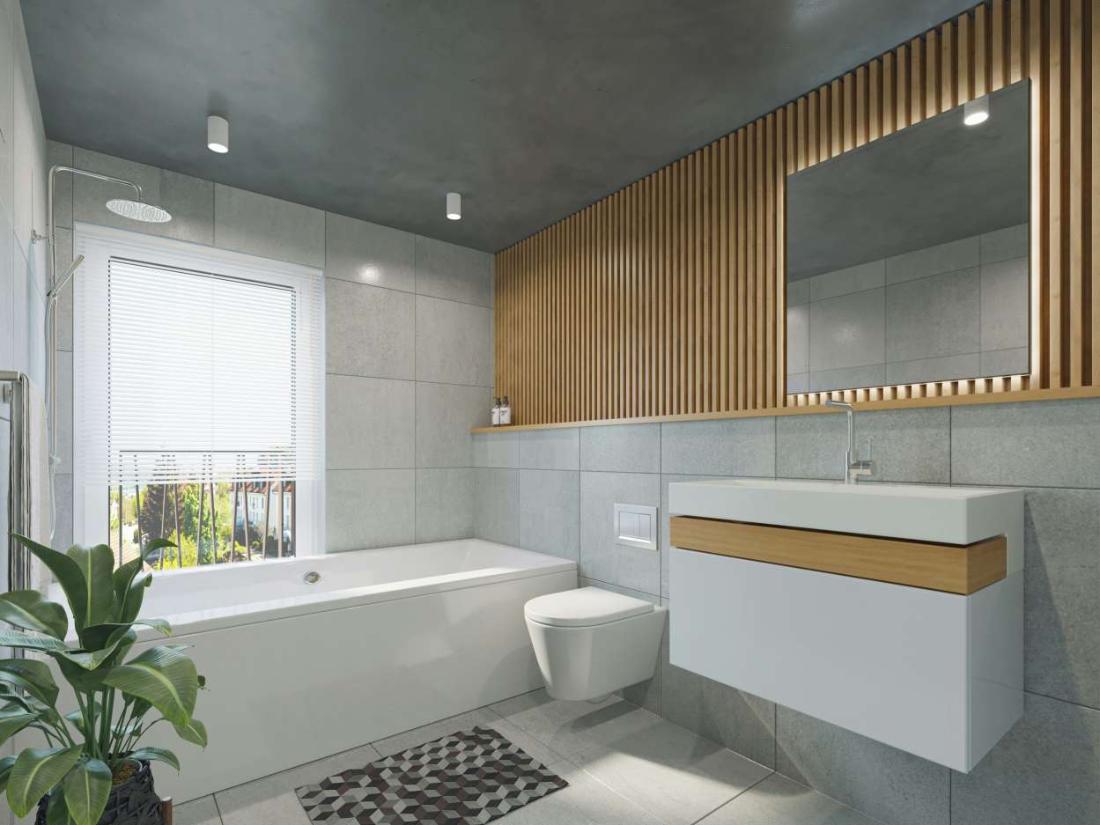
Bathroom ventilation Malaysia homeowners often overlook is one of the most critical yet underappreciated aspects of a healthy, durable home — and a good bathroom exhaust fan is where it starts.
If you have ever stepped out of a hot shower and noticed the mirror completely fogged up, the walls damp, and that musty smell lingering in the air hours later, you already know what poor bathroom ventilation feels like. In Malaysia, where the climate sits at high humidity year-round, this problem is far more serious than just a foggy mirror. Without a proper system to move moisture out of the bathroom, the consequences can be damaging to both your health and your property in ways that creep up slowly — until they become very hard to ignore.
If you have ever stepped out of a hot shower and noticed the mirror completely fogged up, the walls damp, and that musty smell lingering in the air hours later, you already know what poor bathroom ventilation feels like. In Malaysia, where the climate sits at high humidity year-round, this problem is far more serious than just a foggy mirror. Without a proper system to move moisture out of the bathroom, the consequences can be damaging to both your health and your property in ways that creep up slowly — until they become very hard to ignore.
What Bathroom Ventilation in Malaysia Actually Does
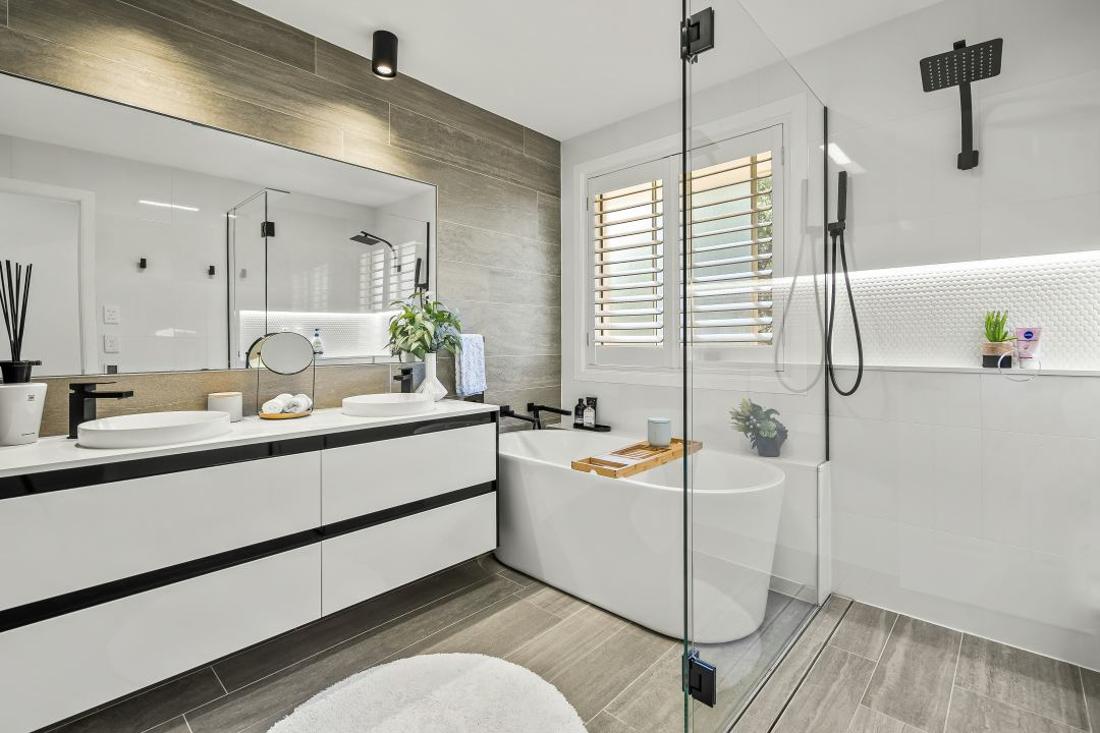
At its simplest, bathroom ventilation moves humid, stale air out of the bathroom and replaces it with fresher air from elsewhere in the home or outside. In practice, it involves more than just opening a window. A bathroom exhaust fan, properly sized and installed, pulls excess moisture directly from the room before it has a chance to settle on walls, ceilings, and floors.
Malaysia's average relative humidity sits between 70 and 90 percent throughout the year. When you add the steam from a shower into a bathroom that is already trying to manage that ambient humidity, the moisture load on that small space becomes significant. Without active ventilation, that water vapour has nowhere to go — and it does not simply disappear. It condenses on cool surfaces and works its way into grout lines, paint layers, and wall cavities.
The Role of a Bathroom Exhaust Fan
A bathroom exhaust fan is typically the most effective solution for enclosed bathrooms, particularly those without windows or with windows that face an interior air shaft. The fan draws moisture-laden air out of the room and vents it to the outside through ductwork. The key factors are the fan's airflow capacity, measured in cubic feet per minute or CFM, and whether it is properly ducted to discharge outdoors rather than into a ceiling void or roof space.
In Malaysia, many older homes and apartments were built with minimal or no mechanical ventilation in bathrooms. Residents relied on louver-style windows or small vents, which work reasonably well when weather permits — but are far less effective when it is raining heavily outside or when the bathroom is fully enclosed, as is common in modern high-rise units.
The Real Consequences of Poor Bathroom Ventilation
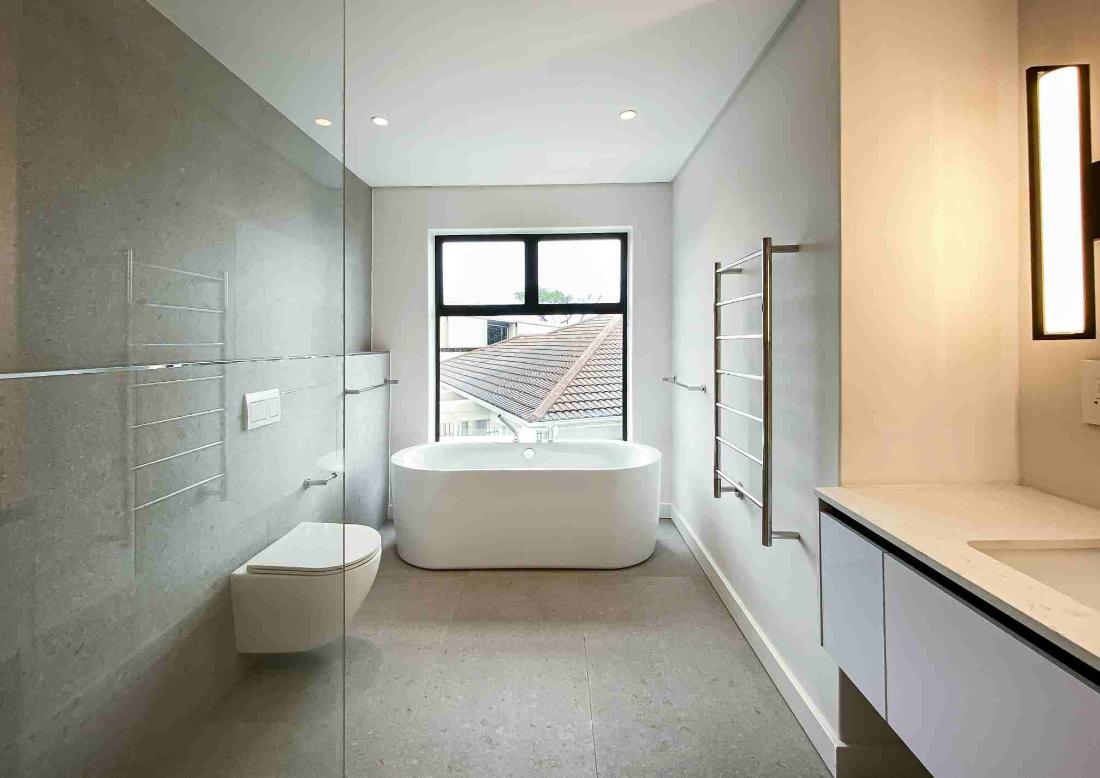
Understanding why proper bathroom ventilation Malaysia homes need requires looking honestly at what happens when it is absent or inadequate. The effects are not dramatic overnight. They build gradually, and by the time they become visible, some damage has already been done.
Mould and Mildew Growth
Mould thrives in warm, humid environments with little air movement — a description that fits a poorly ventilated Malaysian bathroom precisely. Black mould along grout lines, pink mildew on silicone sealant, and fuzzy growth on bathroom ceilings are all signs of a moisture problem that ventilation could prevent. Beyond being unsightly and difficult to clean, mould releases spores into the air that can aggravate respiratory conditions, trigger allergies, and in prolonged exposure, cause more serious health issues.
For families with young children or elderly members, this is not a minor concern. Many Malaysians treat bathroom mould as a normal part of life and address it with bleach spray as needed. The more effective fix is addressing the root cause: getting moisture out of the room before it settles.
Structural Damage Over Time
Moisture that is not removed from the bathroom finds its way into the building fabric. Paint bubbles and peels. Plaster behind tiles absorbs water and weakens. Wooden door frames and vanity units warp and swell. In more serious cases, moisture migrates into adjacent rooms, causing damage to walls that share the bathroom boundary.
In landed properties, poorly ventilated bathrooms on upper floors can allow moisture to track into ceiling cavities, where it may affect electrical wiring or cause water staining on ceilings below. These are repair costs that significantly outweigh the cost of proper ventilation installed from the start.
Persistent Odours
A bathroom that retains humidity retains odours as well. Stale air, damp towels, and the residual smell from use all linger far longer in a bathroom without adequate air exchange. No amount of air freshener fully compensates for the absence of real ventilation. A properly functioning bathroom exhaust fan, running during and for a short period after each use, is the most effective way to address this.
Choosing the Right Bathroom Exhaust Fan for Malaysian Conditions
Not all exhaust fans perform equally, and selecting the wrong unit for your bathroom size or usage pattern will leave you with the same moisture problems you were trying to solve. Here are the main considerations for Malaysian homeowners and renovators.
Sizing the Fan Correctly
The standard guideline is to size the fan so that it can exchange the air in the bathroom at least eight times per hour. For most residential bathrooms, this means looking at the room's volume in cubic feet or cubic metres and matching it to a fan with sufficient CFM. A small apartment bathroom of around six to eight square metres typically needs a fan rated at 50 to 80 CFM. Larger bathrooms, or those with high ceilings, need proportionally more airflow.
It is worth noting that many budget exhaust fans sold in Malaysian hardware stores are sized for minimal compliance rather than effective moisture removal. Spending a little more on a fan with a higher CFM rating and a reputable motor will make a noticeable difference in performance.
Ducting Matters as Much as the Fan
A bathroom exhaust fan is only as effective as its ductwork. The fan draws air from the bathroom, but that air needs a clear path to the outside. Flexible duct runs that are too long, that have sharp bends, or that terminate inside a roof void instead of exiting to the open air will dramatically reduce the fan's effectiveness — and can create new moisture problems in the spaces where the warm, humid air is deposited.
When commissioning a renovation or new installation, confirm explicitly with your contractor that the duct exits to the building exterior and that the duct length and routing are appropriate for the fan's rated capacity. This is a detail that is easy to overlook during construction and difficult to correct afterwards.
Timer and Humidity Sensor Options
One of the most practical improvements in modern bathroom exhaust fans is the inclusion of built-in timers and humidity sensors. A timer-equipped fan can be set to run for a fixed period after the bathroom is used, ensuring adequate air exchange even if the occupant forgets to run the fan long enough. A humidity sensor automatically activates the fan when moisture levels rise above a set threshold and shuts it off once the air returns to an acceptable humidity level.
In a Malaysian context, where bathrooms are used frequently and humidity is baseline high, a humidity-sensor fan makes particularly good sense. It takes the guesswork out of ventilation and ensures the bathroom is managed consistently regardless of individual habits.
Bathroom Ventilation Malaysia Standards and Practical Recommendations
Under Malaysian building standards, bathrooms are required to have some form of ventilation — either natural through openable windows of a minimum size, or mechanical through exhaust fans. In practice, enforcement and interpretation vary, and many existing homes do not meet even the minimum intent of these requirements in real-world conditions.
For anyone renovating or building in Malaysia, the practical recommendation is to install a properly ducted bathroom exhaust fan regardless of whether the bathroom has a window. Natural ventilation alone is unreliable in Malaysia's weather conditions, and the cost difference between a window-only bathroom and one with an added exhaust fan is minor compared to the long-term benefits.
For high-rise apartments, check with the building management about approved ducting routes before proceeding with any installation. Some buildings have dedicated shafts for bathroom ventilation; others will require coordination with the building's existing mechanical systems.